
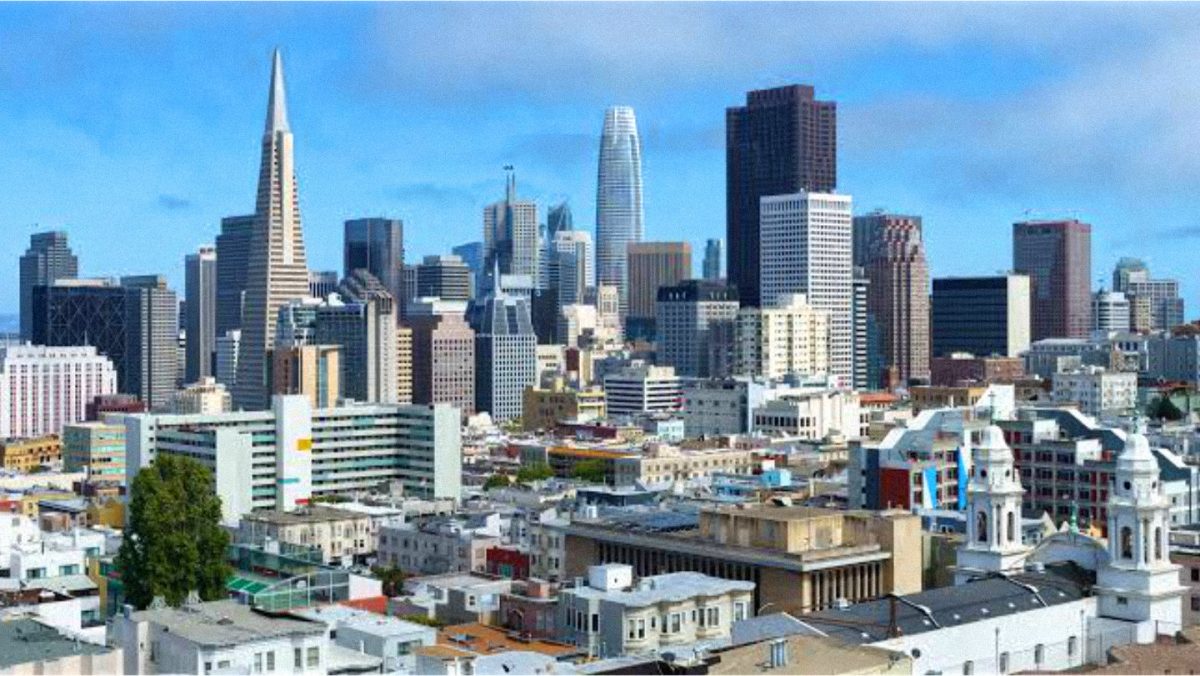
A two-bedroom apartment in San Francisco now rents for somewhere in the mid-$5,000s per month by most measures. One-bedrooms have crossed $4,000. The apartment vacancy rate has fallen to roughly 2%, down from about 5% two years ago, and rent growth here is currently outpacing just about every other major market in the country.
Those numbers get reported as a story about renters. They are also a story about the for-sale market, and the connection between the two is more direct than most people assume.
What the Rental Data Shows
Different data providers report different figures for San Francisco rents, and the spread between them is wide. Depending on which source you consult, the citywide median falls somewhere between roughly $3,500 and $4,400, with year-over-year growth estimated anywhere from about 11% to 26%. The methodologies vary, some include single-family rentals while others track only apartment buildings, and each provider draws from a different sample.
What none of them disagree about is direction. Every major source shows San Francisco rents climbing at a pace that leads the nation, with the sharpest increases concentrated in neighborhoods closest to where AI companies have expanded. SoMa, Mission Bay, and the corridors around them have seen the most upward movement.
The vacancy picture explains why. Apartment vacancy in San Francisco has tightened from roughly 5% in 2024 to around 2% by mid-2026. At that level, property managers have very little incentive to negotiate, and units turn over quickly enough that concessions have largely disappeared from the market.
One Cause, Two Markets
The rental surge and the for-sale surge are the same story told twice. San Francisco added a significant new population of high-income workers over the past two years, concentrated in the AI sector and clustered in specific parts of the city. Those workers need somewhere to live. Some of them rent, some of them buy, and the ones with liquidity from secondary share sales or equity events tend to buy quickly.
Neither market has a supply response available. The construction pipeline in San Francisco has thinned considerably compared to the building cycles of the last decade, and the units currently in planning are years away from delivery. Active for-sale inventory finished July down more than 40% year over year in both the house and condo segments. Rental vacancy sits near historic lows.
When demand arrives in a market that cannot expand supply, prices move. That is happening on both sides of the housing equation at once, for the same underlying reason.
How Rising Rents Change Buyer Behavior
Here is the part that affects the purchase market directly. For years, the calculation for a lot of San Francisco professionals looked like this: renting is expensive, buying is more expensive, so continue renting and revisit the question later. That math held reasonably well when rents were flat or declining, which they were through much of 2023 and 2024.
The math looks different when rent climbs at double digits annually. A renter paying $5,500 today for a unit that cost $4,400 eighteen months ago is watching the rental option get more expensive on a schedule. Meanwhile, a fixed-rate mortgage locks the principal and interest portion of housing cost in place for the life of the loan.
I have seen this shift in my own client conversations over the past year. People who told me two years ago that they planned to keep renting are now running purchase numbers. The trigger is rarely a single dramatic moment. It is usually a lease renewal that comes back with an increase they did not expect, followed by the realization that the next renewal will likely do the same thing.
That behavioral shift adds buyers to a for-sale market that already has more demand than supply. The rental surge is feeding the purchase surge.
What It Means for Property Owners
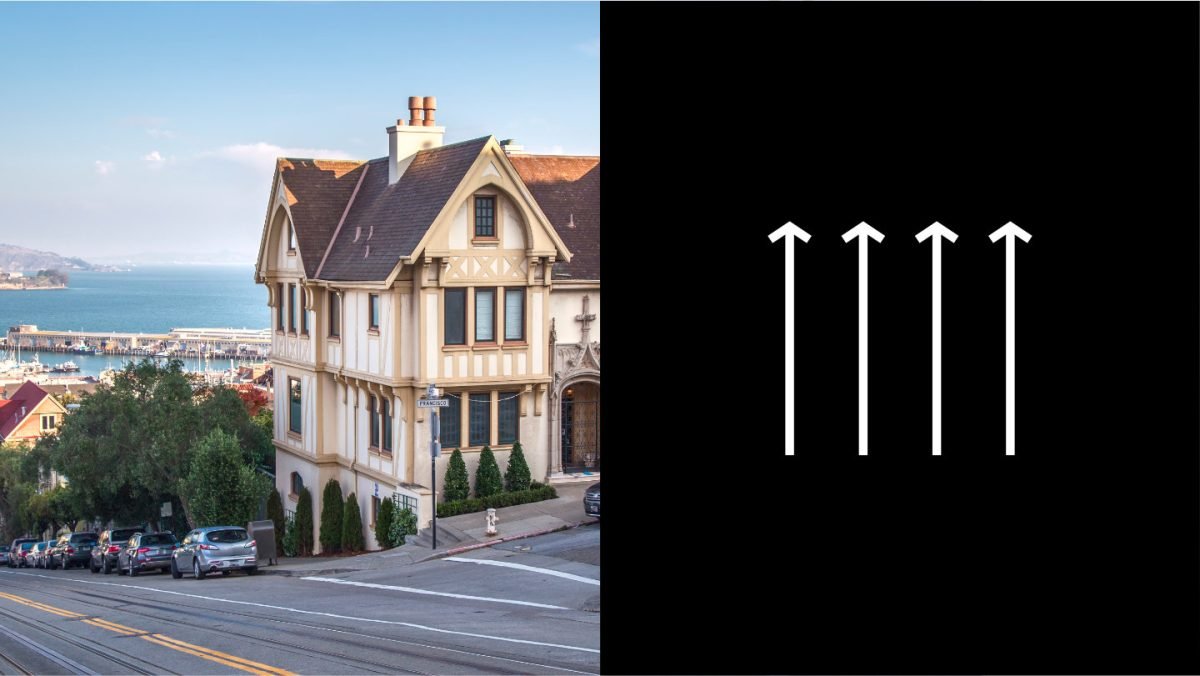
If you own investment property in San Francisco, the income side of your equation has improved substantially over the past two years. Two-to-four unit buildings, condos held as rentals, and legal in-law units are all producing meaningfully more income than they were in 2024.
That has consequences beyond your monthly cash flow. Properties with rental income or rental potential are being evaluated differently by buyers now than they were during the softer rental period. A home with a legal secondary unit carries more value in this market because the income that unit generates has grown. Buyers are pricing that in.
For owners weighing whether to sell or hold, the stronger rental income changes the calculation in both directions depending on your situation. Higher income makes holding more attractive. Higher buyer interest in income-producing property makes selling more attractive. Which one applies to you depends on your timeline and what you would do with the proceeds.
The Buy Versus Rent Question Right Now
I want to be careful here, because this is a question with a different answer for every person who asks it, and I am not a financial advisor.
What I can tell you is what has changed structurally. Buying in San Francisco still requires substantial capital up front, and in most cases the monthly cost of ownership exceeds the monthly cost of renting a comparable property. That gap has narrowed as rents have climbed, but it has not closed.
What has changed is the trajectory. Rent is a cost that adjusts upward with the market. A fixed mortgage payment does not. Over a long enough hold period, the rent that looks cheaper today crosses over and becomes more expensive, and in a market moving at San Francisco’s current pace, that crossover point arrives sooner than it would elsewhere.
The honest version of this analysis includes the caveat that you have to stay long enough for the math to work. Transaction costs in San Francisco are significant, and a purchase you exit within a few years rarely produces the outcome people hope for. If your horizon is genuinely short, renting probably still makes sense regardless of what rents are doing.
What I Tell Clients Weighing This
The people who should be looking at purchase right now are the ones with a long horizon, sufficient capital for a competitive offer, and a lease renewal coming that reflects the current market. If you are in that position, the rental trajectory is a legitimate factor in your timing.
The people who should keep renting are the ones who are uncertain about staying in San Francisco, stretched thin on the down payment, or facing a job situation that could relocate them. Buying under those conditions creates more risk than the rent savings justify.
If you want to work through your own numbers, I am happy to help you think it through. Let’s talk.

Frequently Asked Questions
Why are San Francisco rents rising so fast?
The primary driver is AI sector expansion, which has brought a significant population of high-income workers into the city over the past two years. That demand has met a rental market with very little available supply. Apartment vacancy has tightened from roughly 5% in 2024 to around 2% by mid-2026, and San Francisco’s construction pipeline has thinned considerably compared to prior building cycles.
Do rising rents mean San Francisco home prices will keep rising?
Rents and home prices are being pushed by the same underlying condition: demand growth in a city with almost no capacity to add supply quickly. Rising rents also tend to push some renters into the purchase market, which adds buyers to an already constrained for-sale environment. Both dynamics support home prices, though no market moves in one direction indefinitely.
Is it cheaper to rent or buy in San Francisco right now?
On a month-to-month basis, renting typically remains less expensive than owning a comparable property, though the gap has narrowed as rents have climbed. The relevant difference is trajectory. Rent adjusts upward with the market at each renewal, while a fixed-rate mortgage payment stays constant. Over a long hold period, that difference compounds. Buyers should also account for substantial transaction costs, which generally require a multi-year horizon to absorb.
How is the AI boom affecting San Francisco rents?
AI sector hiring has concentrated new high-income renters in specific parts of the city, with the sharpest rent increases appearing in SoMa, Mission Bay, and neighborhoods adjacent to major AI company offices. The effect has spread outward from those corridors to the rest of the city and, to a lesser degree, to the East Bay and Peninsula.
Does rising rent make San Francisco investment property more attractive?
Rental income across San Francisco has improved substantially since 2024, which strengthens the return profile on income-producing property. Buyers are pricing that improved income into what they will pay for two-to-four unit buildings and homes with legal secondary units. Whether a specific property makes sense as an investment depends on purchase price, financing, condition, and your holding period.